
The Journal
Everything we consume has a story.
- Where it came from.
- How it was made.
- How it moved.
- What made it safe.
- What gave it value.
- And what happens when we no longer need it.
Deep articles, essays and short notes on how food, supply chains and everyday consumption actually work — written to be understood, not to impress.
The five lenses
Nutrition
Evidence-based nutrition and everyday food choices.
2 articlesWhy Do We Crave Certain Foods?
Food Science
The science behind ingredients, processing and the food we eat.
2 articlesHow Do Taste, Fat, Salt, Sugar and Texture Change Our Food Experience?
Food Safety
Food safety, hazards, prevention and safer food systems.
2 articlesWhy You Should Never Wash Raw Chicken
Food Quality
Food quality, standards and quality management.
Read nowWhat Does "Clean Label" Actually Mean on a Food Package?
Sustainability
Circularity, food waste and using what we have well.
Read nowWhere Does Food Waste Actually Begin?
Featured story
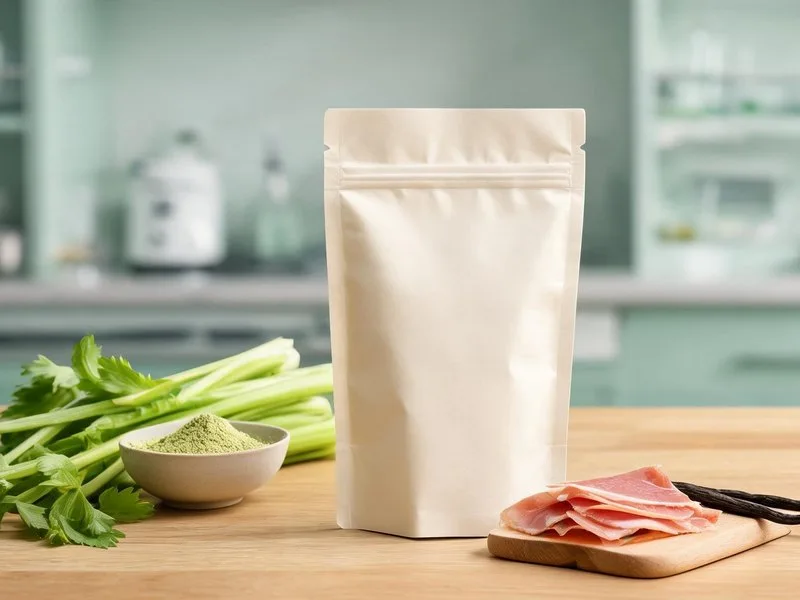
What Does "Clean Label" Actually Mean on a Food Package?
It sounds like a standard someone enforces. But there's no commonly accepted regulatory definition — which is exactly why it can mean very different things from one brand to another.
Read · 5 minMore from the Journal
 NutritionWhy Do We Crave Certain Foods?Reward, habit and sleep loss explain most of it. One real deficiency link explains a small, specific piece — and it isn't the one people usually reach for.Read · 4 minFood ScienceWhy Does Homemade Food Spoil Faster Than Packaged Food?Same ingredients, wildly different lifespans. The gap isn't about what's inside the food — it's about the invisible system built around it.Read · 7 min
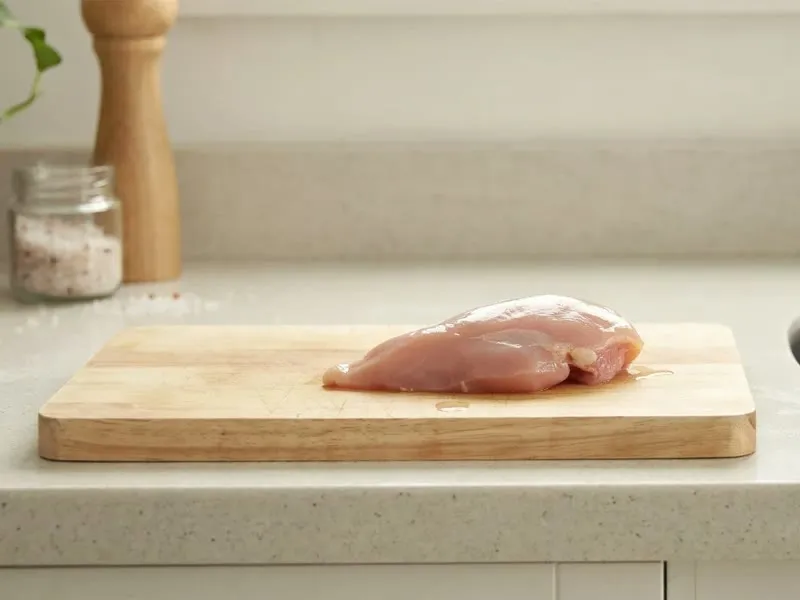 Food SafetyWhy You Should Never Wash Raw ChickenIt feels like the responsible thing to do before cooking. Food safety agencies say it's one of the riskiest steps in the whole process.Read · 4 minNutritionWhy Are Almonds Considered a Healthy Food?A handful of almonds gets called a superfood more often than almost any other snack. Does the evidence actually back up the reputation?Read · 3 min
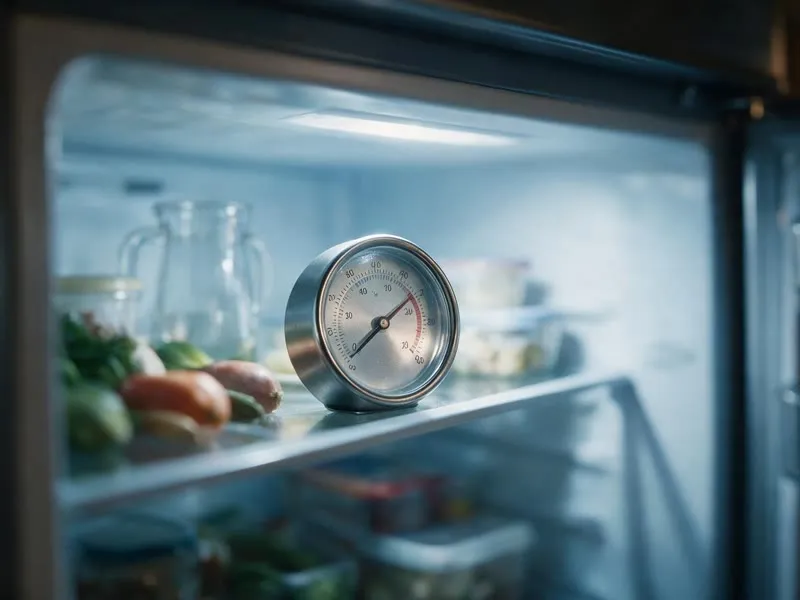 Food SafetyThe 4°C Rule: Why Your Fridge Temperature Matters More Than You ThinkA few degrees inside your fridge can change how fast bacteria multiply. Here's what the number actually means — and how to check it at home.Read · 5 minSustainabilityWhere Does Food Waste Actually Begin?We picture waste as the forgotten leftovers in our own fridge. Most of it is already gone long before that.Read · 3 min
Understanding food shouldn't require a science degree.
Start with the five lensesMore coming — topics I'm exploring
Researched and in progress — these will publish as full articles.
Points to ponder
Bite-sized food facts — the kind of thing worth knowing whether or not you ever read the full article.
- 01How many calories are in a fist-sized serving of salmon?About 200 kcal for a 100g cooked portion, alongside roughly 22g of protein — one of the best protein-to-calorie ratios among whole foods.
- 02How many almonds count as a standard serving?About 23 almonds (28g) — roughly 160 kcal and nearly 6g of protein.Continue reading
- 03Does freezing food kill bacteria?No — freezing only pauses bacterial growth. Only cooking to a safe internal temperature actually kills it.
- 04What's the real difference between “use by” and “best before”?“Use by” is a safety cutoff. “Best before” is a quality one — food is often still safe to eat after it passes.
- 05How long can cooked leftovers safely sit in the fridge?Generally 3–4 days at or below 4°C — after that, bacterial risk climbs even without visible spoilage.Continue reading
- 06How much food grown worldwide is wasted before anyone eats it?By one widely cited FAO estimate, roughly a third — much of it lost before it ever reaches a shelf.Continue reading